
Water, Water Everywhere In the Kitchen
We expect to find water in a sink faucet, but how many other water sources can bring both positives and negatives to the kitchen? We’re taking a look at some choices and the consequences of each: pot fillers; touchless faucets; water and ice dispensers on refrigerator doors vs. inside the refrigerator; and water filtration systems.
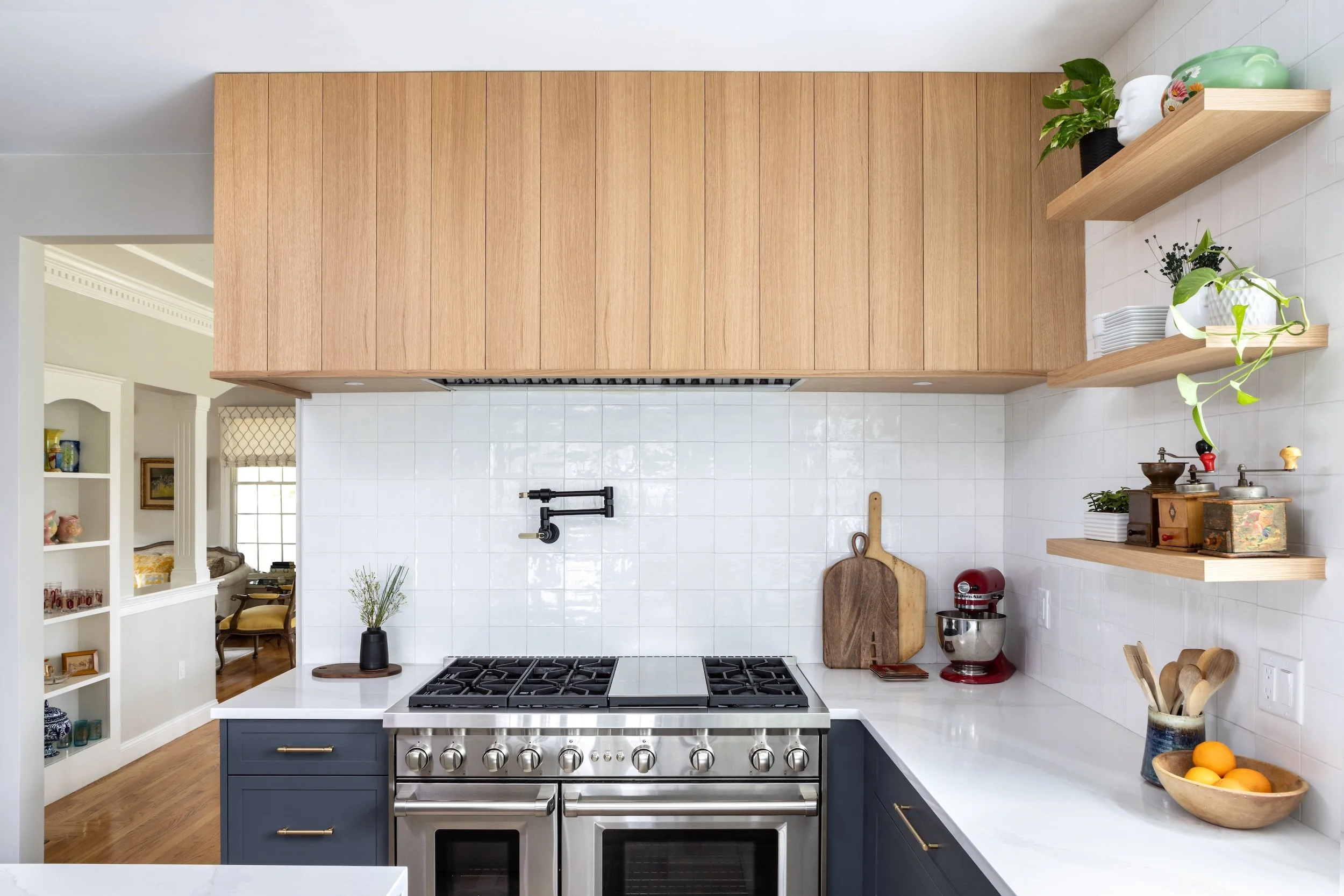
Pot Fillers: Wall-mounted faucets over the range or cooktop.
PROS:
Convenience: can fill a heavy pot at the cooking source
Look luxurious and is a hallmark of a professional-style kitchen
If the sink is many steps from the cooktop or range, it saves time
CONS:
You still have to carry the full pot to empty it after cooking
Must pay attention when using it because if left unattended, it can overflow onto the cooktop and damage the appliance
Cost vs. value: The expense of installation (plumbing, wall reinforcement, fixture) doesn’t always outweigh the number of times it will be used
Maintenance: It’s also a potential leak point: it’s a pressurized water line in the wall above your stove, and if it fails, it is expensive to repair, plus it must be kept clean in an area that accumulates grease and grime
BOTTOM LINE: Great for serious cooks who boil large pots often
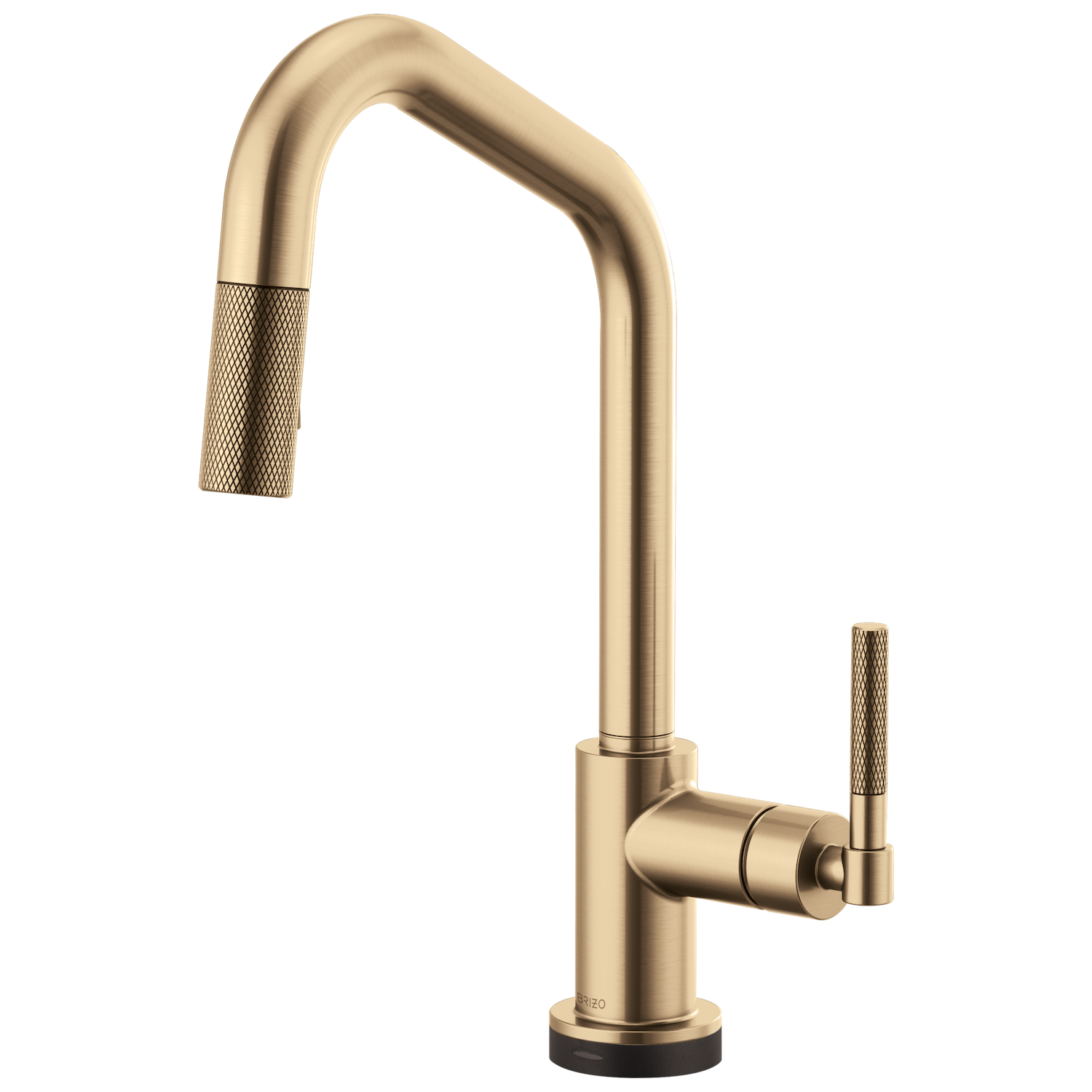
Brizo Touchless Faucet
Touchless Faucets: A faucet that operates by motion sensors.
PROS:
Hands-free convenience
Less cleaning is needed for the fixture
Health appeal: less spreading of germs
CONS:
False triggers: Turning on accidentally when you reach nearby can be annoying (and animals like cats can trigger it)
Learning curve: Fumbling to figure out where the sensor is
Power & Maintenance: Operated by batteries and AC adapters, so troubleshooting or replacement will be necessary, and with electronics, there are more potential failure points than with a manual faucet
Less precision control: Sometimes harder to get a quick rinse vs. full flow exactly when you want it.
Cost vs. value: The price of the faucet and consideration of long-term durability could outweigh convenience
BOTTOM LINE: convenient for messy prep, but choose a model with manual override and reliable reviews—or frustration creeps in.
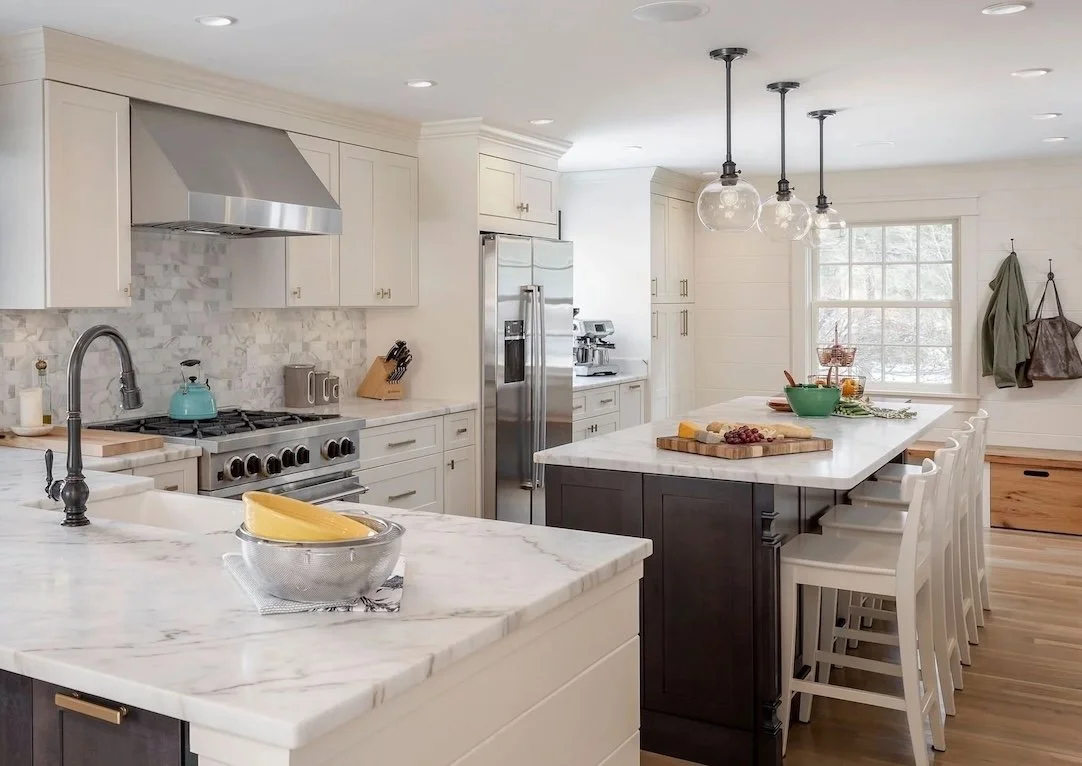
Wayland kitchen appliances including Bosch refrigerator with door water dispenser
Refrigerator and Water Dispensers - Door vs. Inside Both need a plumbed water line.
PROS:
Door: Convenience for ice and cold water, especially for younger family members or guests
Inside: Cleaner look and fewer repairs
CONS DOOR:
Not as clean an aesthetic, and can ruin the wood on a paneled refrigerator
Drips & Splashes: can create sticky residue and need wiping to remove fingerprints
Reliability & Maintenance: More moving parts can mean more repairs
Cost vs. value: Models might be more expensive and incur higher repair and energy costs when every use opens a pathway for cold air loss.
CONS INSIDE:
Less convenient: slower to get large refills or for younger family members to use
Higher energy cost because every use means opening the refrigerator, making the appliance less efficient
Takes up internal space inside the refrigerator
BOTTOM LINE: The dispenser in the door provides convenience but more maintenance, while the interior dispenser works better with paneled refrigerators.
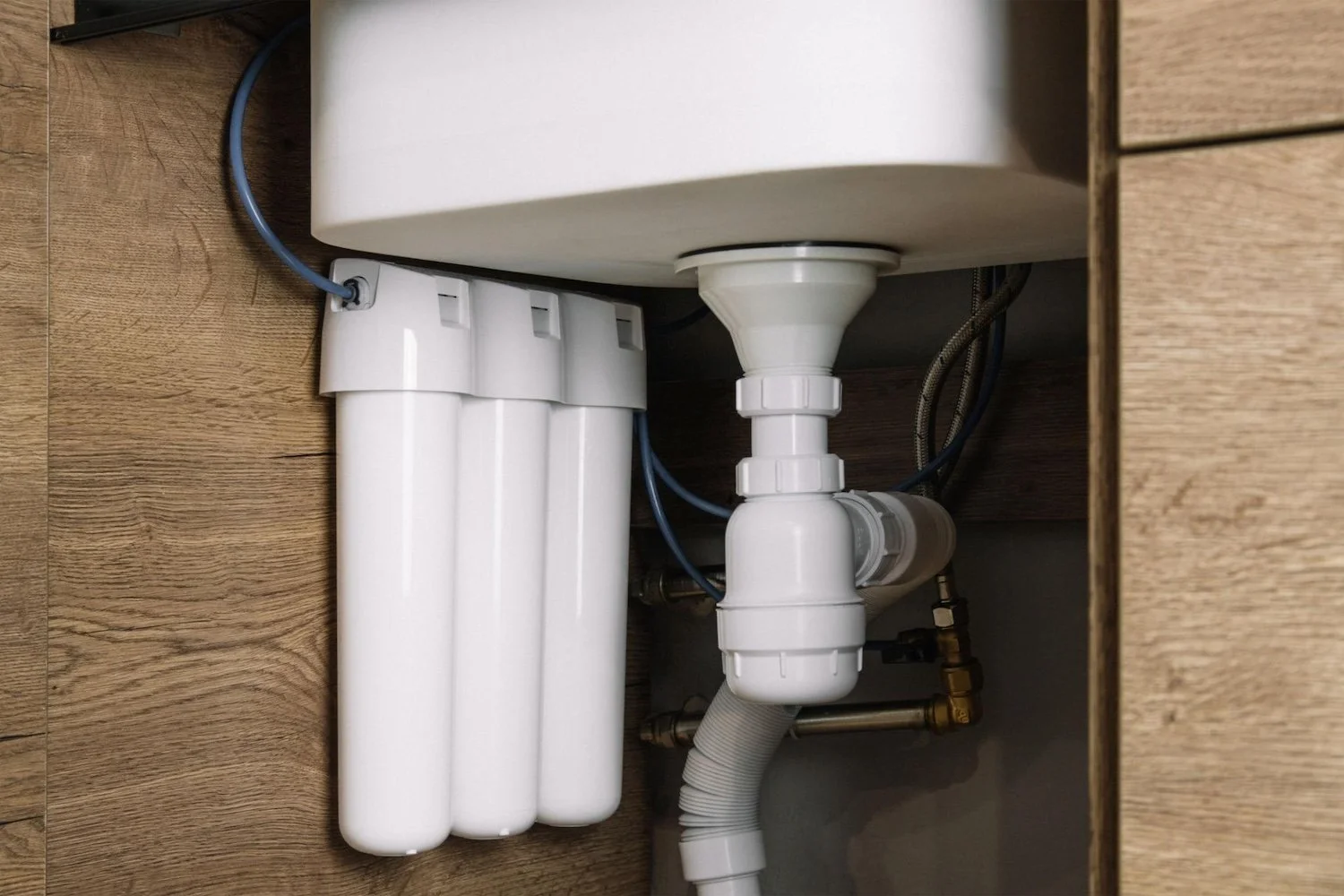
Undersink Water filtration system
Water Filtration Systems (Whole-House, Under-Sink, or Fridge-Based)
PROS:
Better-tasting water
Safer because it filters out impurities and toxins
Whole-house systems work beyond the kitchen
CONS:
Cost vs. value: Some systems are quite expensive (whole house), and there are additional costs for installation, regular servicing, repairs, and filters
Ongoing maintenance: filters need regular replacement, and performance drops when you don’t do it
Space tradeoffs: For under-sink systems, it takes up valuable space
Flow rate issues: Some systems slow down water pressure noticeably
Redundancy: Overlapping systems from the refrigerator plus the whole-house system
Questionable necessity: Some municipal water supplies already have high-quality filtration for safety, so it becomes more about the water's taste. But some towns also have great-tasting water!
BOTTOM LINE: Worth it if you care about taste or specific contaminants—but match the system to your actual water quality, not just marketing.
Ask Yourself These Questions Before Choosing:
Will I use this weekly—or just admire it?
If it breaks, how annoying (and expensive) is it to fix?
Does it simplify my life—or just add another system to manage?
As one of the most respected kitchen designers in Boston, we take a holistic approach to the kitchen. Sometimes that means adding a pot filler. Other times, it means choosing a second sink, adjusting layout details, or simply prioritizing function over trend. While water is an essential component of every kitchen, we strive to make options thoughtful and useful - keeping the water where you want it!
The most successful kitchen remodels and designs aren’t just beautiful; they must work effortlessly for the people who use them every day.
Contact the team today.